


Community Climate Resilience (CCR)
Our Purpose & Need
Across the United States, small and rural communities face escalating climate-related disasters while navigating declining federal capacity, fragmented programming, and restricted funding access. Community leaders and practitioners have identified persistent barriers: gaps in communication, limited training opportunities, a lack of resource awareness, and the overwhelming challenge of navigating programs spread across federal, state, local, and other agencies.
When communities lack a clear path to assistance, public trust can erode and the critical window for action after a crisis can quickly close. True, lasting resilience cannot be built reactively after a disaster; it requires proactive planning, sustained coordination, and durable capabilities established before the emergency strikes.
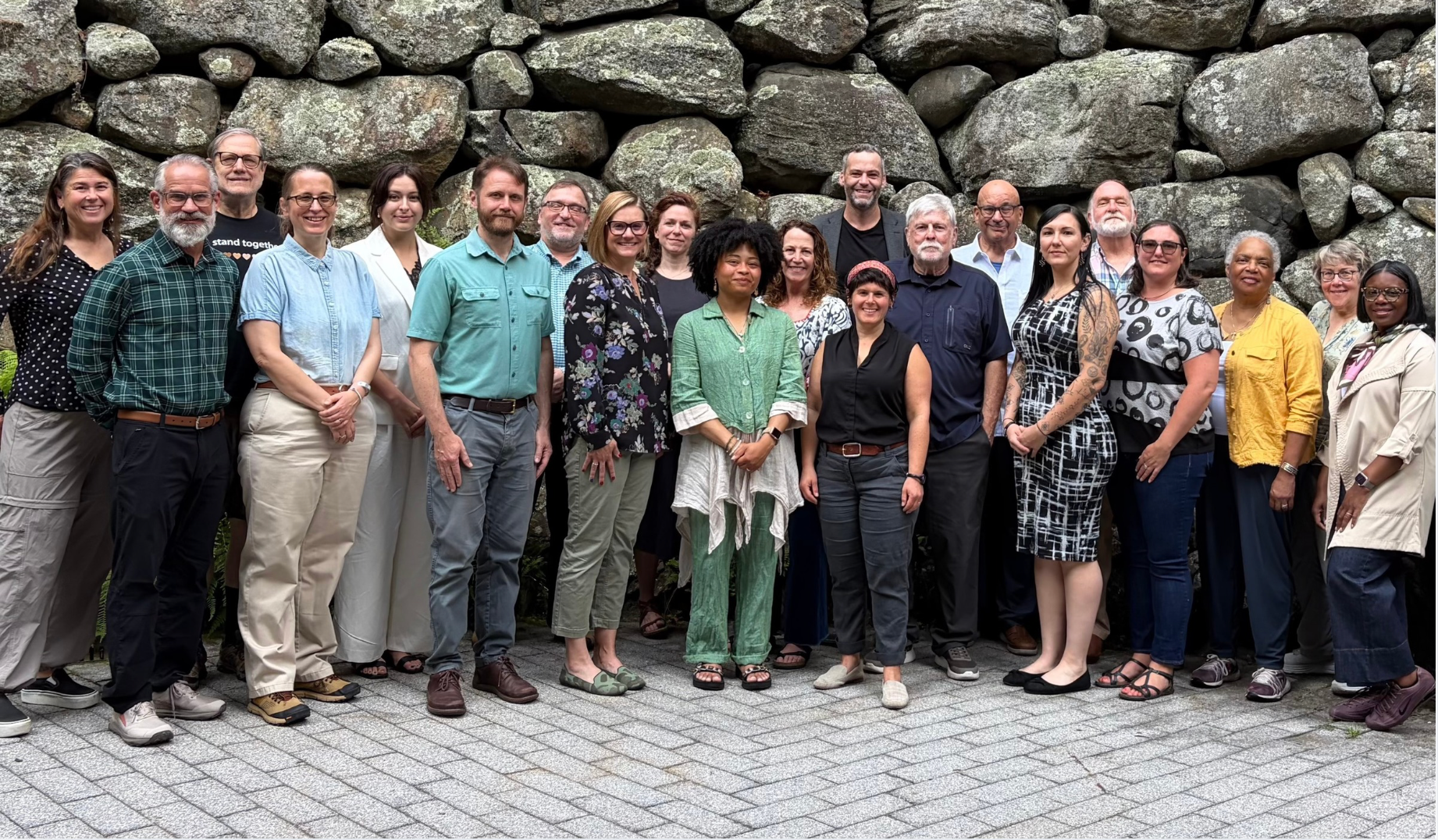
To bridge this gap, the Climate Democracy Initiative—in partnership with the Rockefeller Brothers Fund and a coalition of experts in climate resilience, community organizing, and emergency management—hosted the Community Climate Resilience Workshop from July 14–16, 2026, at The Pocantico Center. The workshop held as its focus the centering of small-town leaders, voices, and experiences from across the country, ensuring that those closest to the impacts are shaping the solutions.
The working session co-created a series of actionable models to be developed then adapted and deployed across small-town and rural America. The goal was to equip local leaders with practical tools, trusted technical assistance, and clear strategies for strengthening resilience in the communities that need them most.
about CV
Why now?
Because people across the country want their voices back! Across the country, people feel decisions are being made around them, not with them. From land use to energy to disaster recovery, communities are too often brought in after the fact, asked to react instead of shape outcomes. People want their voices back because they understand what’s at stake, and they want a real role in defining the future of the places they live.
What is CV?
Community Visioning is a values-driven civic planning model that brings community members together to identify wants and needs, explore development opportunities and risks, and strategize pathways to sustainable futures grounded in local priorities.
How does it work?
Using dialogue processes, hands-on training, and accessible planning tools, CDI supports communities in protecting culture, strengthening local infrastructure, building negotiation power, and ensuring their voices stay central in development decisions.
CV brings to communities the facilitation, resources, and connections so local voices can define future usage of their land, their economy, and their quality of life. This way, we bolster the democratic process together.
Proactive
Inclusive
Local
Goals & Objectives
The goal of CCR is to move beyond idea generation toward actionable design by listening to voices from small-town and rural America—where impacts are felt first—and then streamlining the provision of information directly to them.
To accomplish these goals, the Workshop:
Level-set the current emergency management landscape and focus on practical, community-led solutions, assuming:
- Communities want to build back stronger and more resilient.
- Effective recovery begins before disaster strikes.
- Whole-community engagement improves outcomes.
- Non-federal actors can play a constructive, collaborative role in strengthening local capacity.
Divided discussion into three main areas of work that Workshop attendees highlighted as essential to local-level planning:
- Access, Training, and Education
- Communications, Awareness, and Info Sharing
- Recovery, Resources, and Distribution
Employed rotating breakout sessions, facilitated dialogue, and collaborative design to identify pathways that:
- Strengthen community capacity before disasters occur.
- Improve clarity and coordination during emergencies.
- Accelerate and sustain recovery after disasters.
- Build trusted, community-invited technical assistance models.
- Develop policy and funding recommendations grounded in field realities.